A Pub Born in 1717: The Origins of The Boycott Arms
There’s something timeless about an English country pub. The way the light catches the old glass in the windows, the scent of wood smoke on a cool evening, the murmur of conversation that’s been happening, in one way or another, for centuries.
And few pubs in Shropshire capture that feeling quite like The Boycott Arms in Upper Ludstone, near Claverley.
If you stand on the quiet lane outside today, surrounded by rolling farmland and the occasional bleating sheep, it’s easy to forget that this pub’s story began more than three hundred years ago.
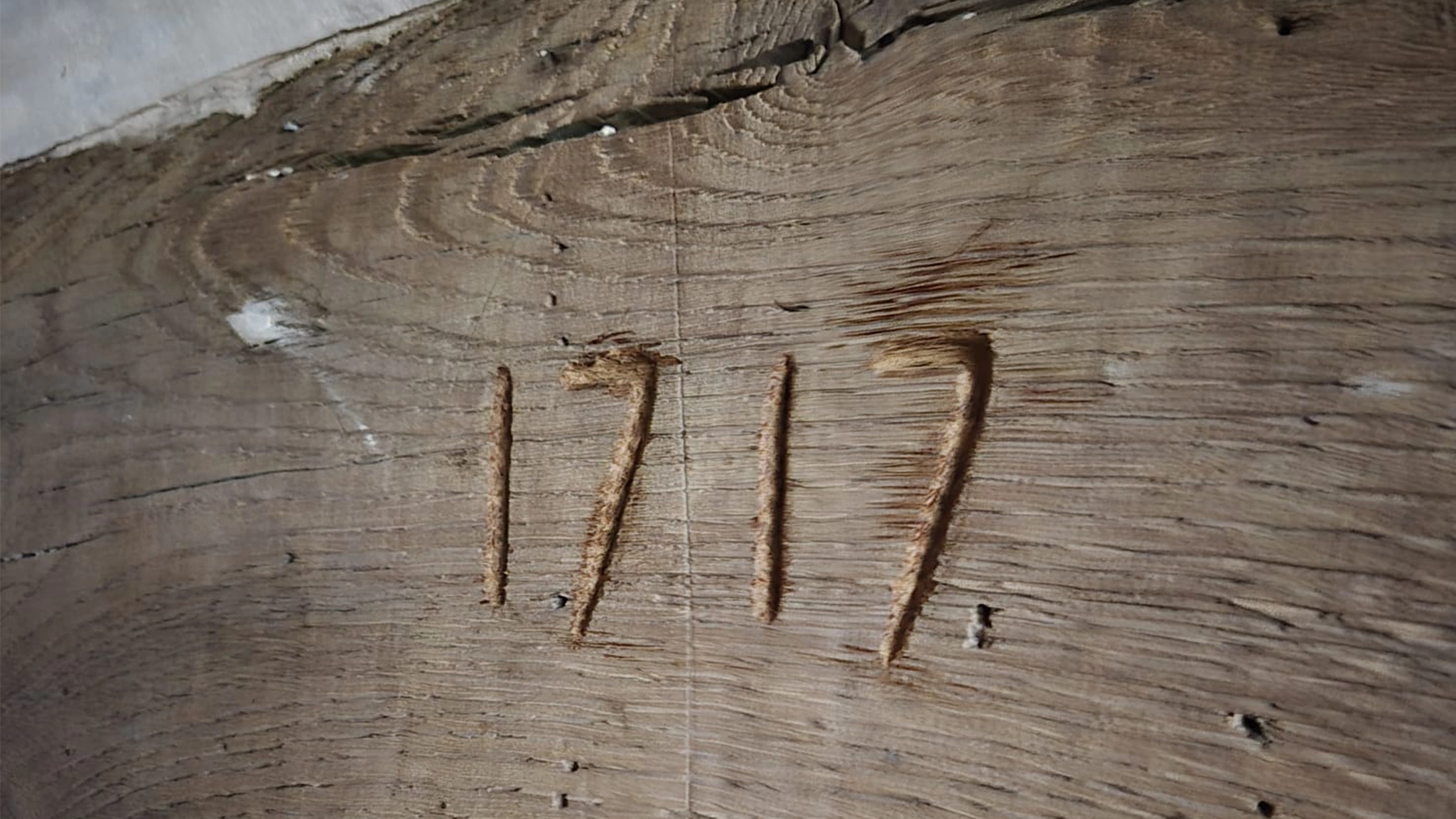
The Early Days: The New Inn (1717)
Long before it was called the Boycott Arms, the pub began life as The New Inn. A stone set into the building bears the date 1717, suggesting that the inn was built or rebuilt at that time — possibly on the site of an even older alehouse.
Back then, this corner of Shropshire was part of a lively web of rural trade routes. Travellers and farm workers passed through Ludstone, stopping for food, drink, and a few hours of warmth. Inns like this were vital — not just places to rest, but social centres where news was swapped, deals were made, and the occasional song or scuffle broke out by the fire.
The New Inn would have been simple: brick-built, with a handful of rooms, a thatched or tiled roof, and a wooden bar serving local cider or ale brewed on-site. Horses would be tethered outside while their riders enjoyed a pint inside. The heart of the community, then as now.
A Witness to the Centuries
From the Georgian period through the Victorian age, the inn watched the world change around it.
Claverley’s lanes became quieter as motor travel replaced horses, but the building remained — solid, stoic, and welcoming.
By the early 1800s, official records mention a licensed house in Upper Ludstone, confirming that The New Inn was a long-established feature of the parish. No grand rebrand, no trendy gimmicks — just good ale, honest company, and a roof that kept out the rain.
Built to Last
Architecturally, it’s a gem of rural Shropshire heritage: painted brick walls, a pitched tiled roof, exposed beams, and fireplaces that have burned for generations.
Step inside and you’ll still find echoes of its 18th-century charm — uneven floors, low ceilings, and that unmistakable sense of history that can’t be faked.
The building has grown over time, with two- and three-storey sections added as trade and prosperity allowed. Its thick walls and timber frames have seen the laughter, labour, and lives of countless locals pass through.
A Living Link to the Past
To this day, The Boycott Arms stands as a living reminder of the rural hospitality that defined old Shropshire life. Its exact origins may be half-lost to history, but the spirit of those early years lingers in every creak of the floorboards and every pint pulled behind the bar.
Three centuries on, it’s still doing what it’s always done best — bringing people together.